Experiential Learning Curriculum for Schools in India
Education is evolving rapidly, and schools today are looking beyond traditional classroom teaching. The Experiential Learning Curriculum for Schools in India focuses on practical learning, real-world application, and skill development that prepares students for future challenges. Instead of relying only on textbooks, this modern approach encourages students to learn through activities, projects, and hands-on experiences.
Transforming Education Through Practical and Skill-Based Learning
The concept of experiential learning in schools in India is gaining popularity because it improves understanding, creativity, and problem-solving abilities among students. By integrating real-life experiences into lessons, schools can help learners connect theory with practical knowledge.
What is Experiential Learning?
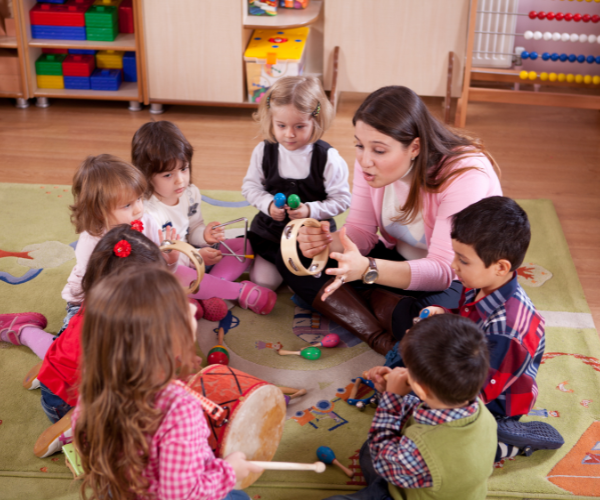
Experiential learning education in India is an educational approach where students learn by doing. It encourages active participation, collaboration, and exploration instead of passive listening. An effective experiential learning curriculum focuses on engaging students through activities, projects, and interactive methods that promote deeper learning.
Key elements of experiential learning include :
These methods help transform traditional education into a more engaging and meaningful learning process.
Experiential Learning Program for Schools
A well-designed experiential learning program for schools focuses on creating engaging classroom experiences that encourage curiosity and creativity. Schools implementing such programs notice significant improvements in student participation and knowledge retention.
The experiential learning programs for students combine several innovative learning approaches including :
These programs help students develop practical knowledge while strengthening critical thinking and communication skills.

Experiential Learning Programs for K-12 Schools in India
The demand for experiential learning programs for K-12 schools in India is increasing because they align with modern education policies and student-centered teaching practices.
These programs focus on :
Schools implementing hands-on learning curriculum for schools provide students with opportunities to explore concepts through practical experiences rather than memorization.
Experiential Learning Curriculum for CBSE Schools
Schools implementing experiential education curriculum India often include :
With the growing emphasis on skill development, experiential learning curriculum for CBSE schools has become an important part of modern education. CBSE guidelines encourage schools to adopt learning models that focus on application and real-life understanding.
Project-based assignments
Case studies and real-world examples
Activity-driven classroom sessions
These approaches ensure students gain deeper understanding while developing essential life skills.
Benefits of Experiential Learning Curriculum for Schools in India
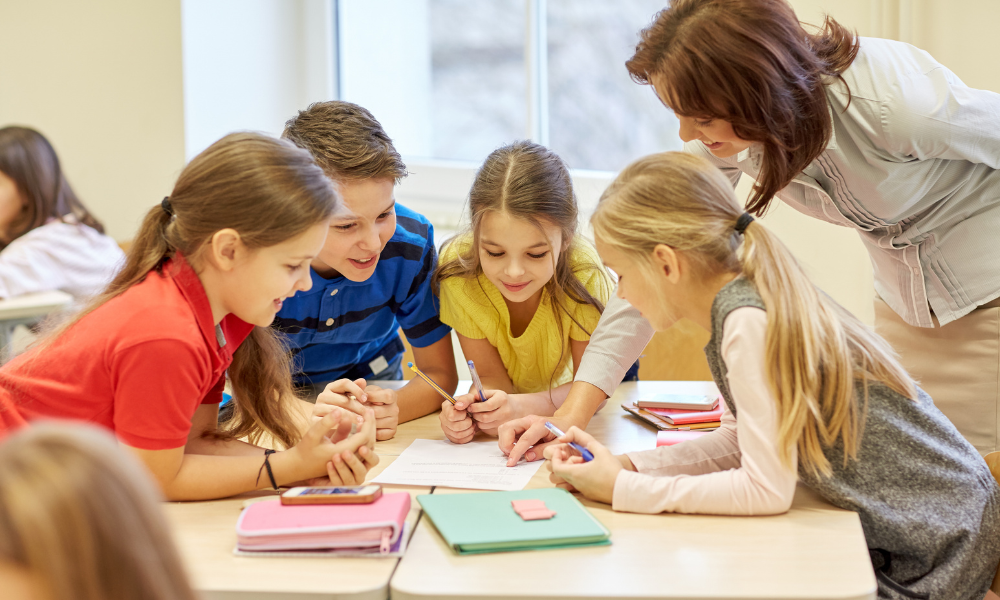
The benefits of experiential learning curriculum for schools in India go beyond academic success. This approach prepares students for real-world challenges by developing essential life skills.
Some major benefits include :
Through practical learning for students, schools can ensure that knowledge gained in classrooms can be applied effectively in real life.
Experiential Learning Activities for School Students
Interactive learning activities are a core component of experiential education. Schools using experiential learning activities for school students create dynamic classrooms where students actively participate in the learning process.
Examples of activities include :
These activities make learning enjoyable and meaningful for students.
How Experiential Learning Improves Student Skills
One of the key reasons schools adopt experiential learning methods in education is their ability to improve student skills. Traditional methods often focus only on theoretical knowledge, while experiential learning encourages active thinking and creativity.
This approach helps students develop :
By combining activity based learning, project based learning, and innovative teaching methods, schools can nurture well-rounded students who are ready for future academic and professional success.
Transform Education with Experiential Learning
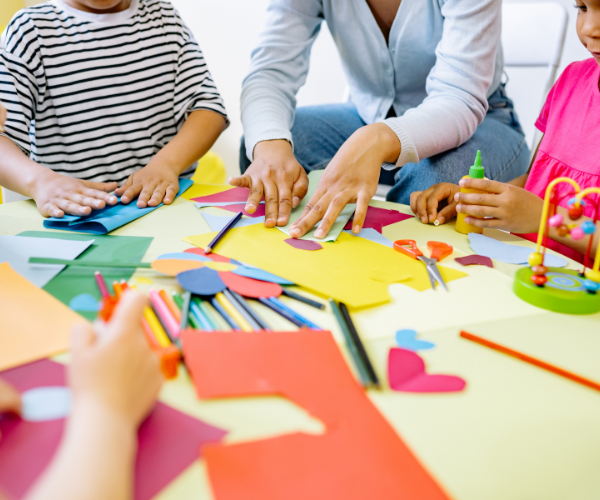
Modern education requires more than just memorizing facts. Schools adopting skill based education and modern education methods can provide students with a holistic learning experience. Implementing an Experiential Learning Curriculum for Schools in India ensures that students gain practical knowledge, confidence, and the skills necessary for the future. By integrating hands-on learning, activity based learning, and project based learning curriculum for schools, educational institutions can create classrooms that inspire curiosity, creativity, and lifelong learning.