
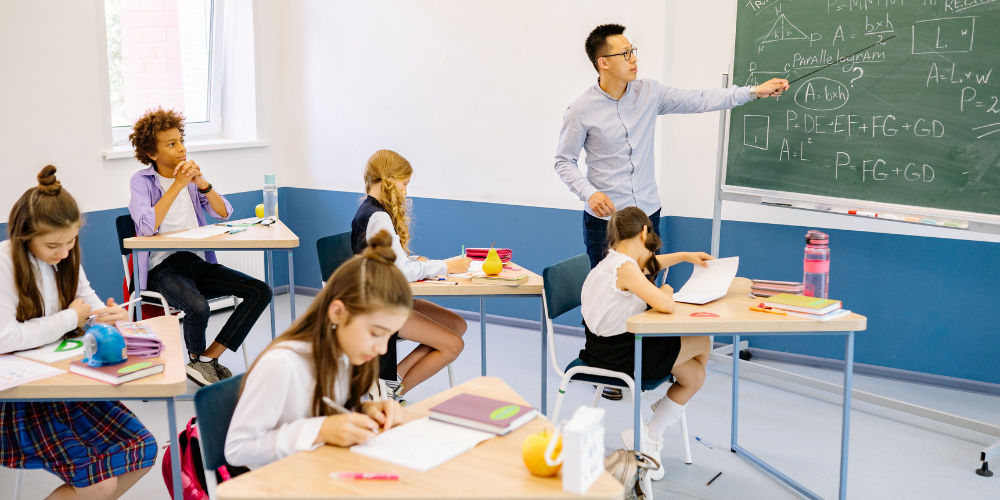

Complete Guide to Experiential Learning Curriculum for Schools in India
Education in India is gradually shifting from traditional methods to more practical and engaging approaches. One such transformation is the adoption of the Experiential Learning Curriculum for Schools in India, which focuses on learning through real-life experiences rather than rote memorization. This approach helps students understand concepts better, apply knowledge in real situations, and develop essential life skills. In today’s fast-changing world, students need more than just academic knowledge. They need the ability to think critically, solve problems, and adapt to new challenges. Experiential learning addresses these needs by making education more interactive and meaningful.What is Experiential Learning?
Experiential learning is a teaching method where students learn by actively participating in activities, projects, and real-world scenarios. Instead of passively listening to lectures, they engage in hands-on experiences that make learning more effective. The Experiential Learning Curriculum for Schools in India is designed to create a student-centered environment where curiosity, creativity, and independent thinking are encouraged. Why Experiential Learning is Important in Schools Traditional classroom methods often focus on memorization, which may not help students in the long run. Experiential learning, on the other hand, helps students retain information better because they understand concepts through practice. Here’s why this approach is important:- Encourages deeper understanding of subjects
- Develops problem-solving and analytical skills
- Improves communication and teamwork
- Builds confidence and independence
- Makes learning enjoyable and engaging
Key Components of Experiential Learning Curriculum
A well-designed Experiential Learning Curriculum for Schools in India includes several important elements that support active learning.1. Activity-Based Learning
Students participate in hands-on activities that help them understand concepts practically.2. Project-Based Learning
Assignments and projects encourage students to research, analyze, and present their findings.3. Real-World Applications
Lessons are connected to real-life situations, making learning more relevant.4. Collaborative Learning
Group activities help students develop teamwork and communication skills.5. Continuous Assessment
Evaluation is based on performance, participation, and understanding rather than just exams.Benefits for Students
The impact of experiential learning goes beyond academics. It helps in overall personality development and prepares students for future challenges. Some key benefits include:- Better retention of knowledge
- Increased curiosity and interest in learning
- Strong critical thinking and decision-making skills
- Improved social and communication abilities
- Greater confidence in handling real-life situations
Role of Teachers in Experiential Learning
Teachers play a vital role in implementing this curriculum effectively. Instead of being just instructors, they act as facilitators who guide students through their learning journey. Their role includes:- Designing interactive lessons
- Encouraging participation and discussions
- Providing feedback and support
- Creating a positive and engaging environment
Challenges in Implementation
While the Experiential Learning Curriculum for Schools in India offers many benefits, there are some challenges that schools may face:- Need for teacher training and adaptation
- Time required to plan activities
- Balancing syllabus coverage with practical learning
- Limited resources in some schools
Future of Experiential Learning in India
The future of education in India is moving towards skill-based learning. Experiential learning is becoming an essential part of modern education systems because it prepares students for real-world challenges. As more schools adopt this approach, the focus will shift from marks to skills, making education more meaningful and impactful. The Experiential Learning Curriculum for Schools in India is a powerful step toward transforming education. It helps students move beyond textbooks and understand the real-world application of their knowledge. By encouraging active participation, creativity, and critical thinking, this approach ensures that students are well-prepared for future challenges. Schools that adopt experiential learning are investing in a better and more practical education system.FAQs
It is a method where students learn by doing activities and gaining real-life experiences.
It improves understanding, builds skills, and makes learning more engaging.
Yes, it can be applied to most subjects with the right approach.
It improves confidence, problem-solving skills, and overall development.
With proper planning and teacher training, it can be implemented effectively.
